
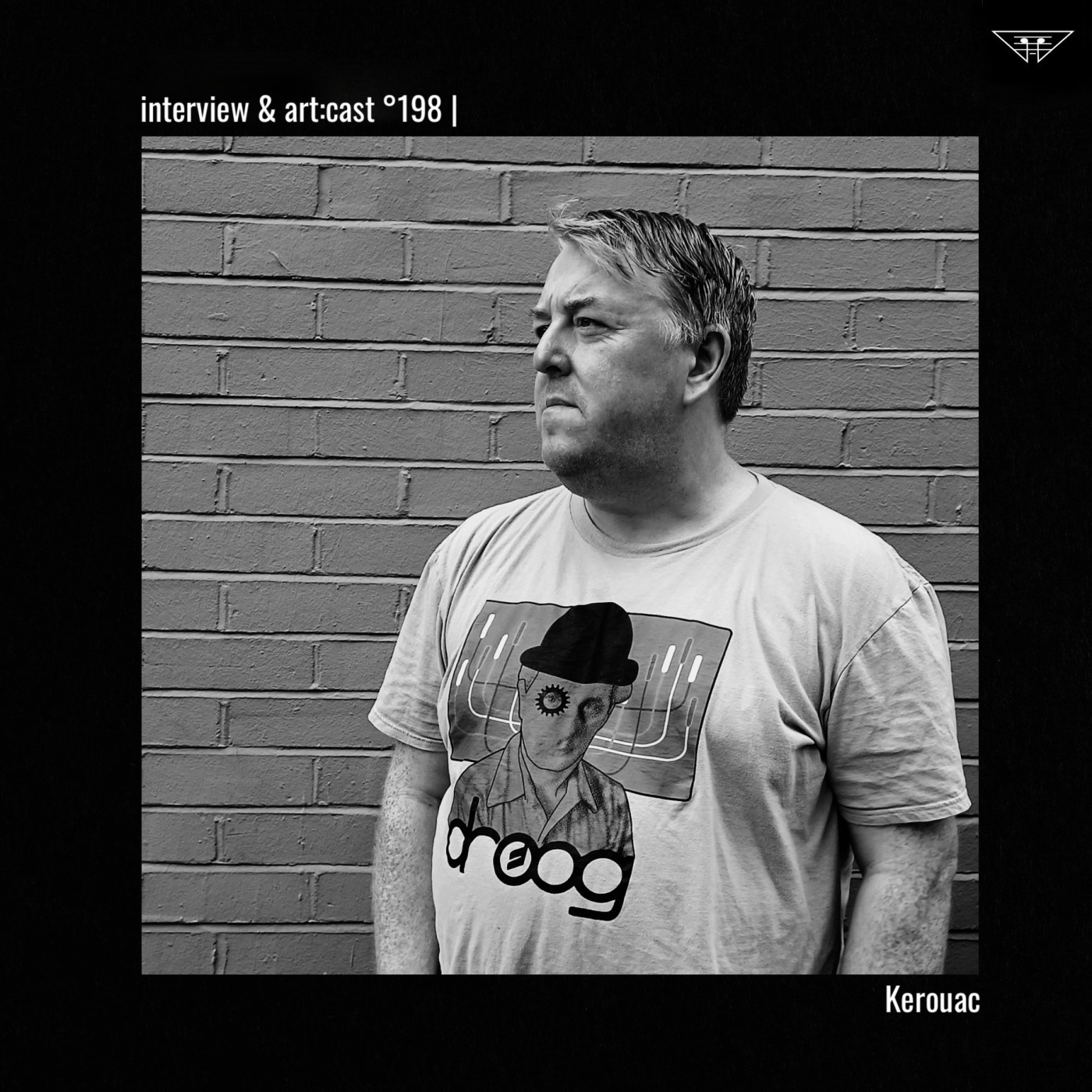
Twenty-five years is a long time to spend chasing sounds. Long enough to watch scenes emerge, disappear and eventually return wearing slightly different clothes; long enough to fill hard drives, shelves and memories with ideas; and certainly long enough to learn that finding your own musical language often has less to do with adding things than knowing what to leave behind. For Mike, better known as Kerouac, that journey began somewhere between guitars, Indie and the hazy electronics of Boards of Canada before gradually leading him towards the deeper ends of House and Tech House.
Today, his productions carry the traces of that history without becoming trapped by it. There is the swing and economy of late-’90s and early-2000s US House, the spaciousness of Deep House, the functionality of Tech House and, somewhere between the drums and basslines, an inclination towards the strange and otherworldly. Recent years have seen that language find homes on Murmurations, Dank Records and Deep Steppe, while “Spiritual Blues” marked his arrival on D’Julz’s revered Bass Culture and further material is set to appear via Burnski’s Constant Black. Yet behind this increasingly prolific run sits a producer who readily admits that trusting his own music has perhaps been the longest process of all.
That makes his contribution to our art series particularly special. For the first time, Kerouac has stepped outside his comfort zone to record a mix made entirely from his own productions. No selections from other artists, no familiar records to hide behind—just Kerouac, from beginning to end. And rather than turning backwards for a retrospective, around 90 percent of the mix consists of unsigned material, including tracks finished only a day before recording. Rooted in his current fascination with US Deep House and Tech House from the ’90s and early 2000s, it offers an unusually intimate snapshot of an artist very much in motion. We caught up with Mike to talk about twenty-five years of making music, learning to trust the process, Bass Culture, his enduring relationship with the underground and why now finally felt like the right moment to let an entire mix belong to Kerouac.
I’m Mike. I’ve been making tracks for 25 years, both solo and with various duo projects over the years.
Torture the Artist: Hey Mike, tell us something about your day. Where are you answering us from right now—studio, record shop, post-rave recovery, or somewhere completely unexpected?
Kerouac: I’m at home on a Sunday evening, just before the World Cup final, in my living room, which is also my studio and DJ setup.
Torture the Artist: For those discovering your music for the first time through this interview and your art, who is Mike behind Kerouac?
Kerouac: I’m Mike. I’ve been making tracks for 25 years, both solo and with various duo projects over the years.
Torture the Artist: Before we get into the music properly: Kerouac is a name with quite a lot of cultural baggage attached to it. What’s the story behind choosing it as your artist name? Was Jack Kerouac ever part of the equation?
Kerouac: Yeah, it was always a conscious decision to use the name, as Jack’s writing had a huge influence on me during my late teenage years. It was the first name I came up with. I doubt I could come up with another unique one these days!
Torture the Artist: You’ve been making electronic music for more than two decades now. Take us back to the beginning—what first pulled you into this world, and what kind of artist were you when you started making your own music?
Kerouac: In the early ’90s, I taught myself to play guitar and was in an Indie band during the grunge era. I’ve always loved music and gone out of my way to find out as much as I could about it. I would use my local HMV as a gateway to finding new music, buying albums based solely on magazine reviews. Once I’d discovered Boards of Canada’s debut album, I quickly moved away from guitar music, as I wanted to try and recreate this other world of sound that had opened up.
It was in late 1998 that I used a whole month’s wages from my first job to buy a synth, a Roland JP-8000. It was a steep learning curve, as I had no idea where to start. This was pre-internet, and information on how to make electronic music was scarce. However, a copy of Future Music featuring Juan Atkins gave a rundown of his kit list. I found out about sequencing, bought an Akai MPC 2000XL and then slowly built up a small studio setup over the next few years.
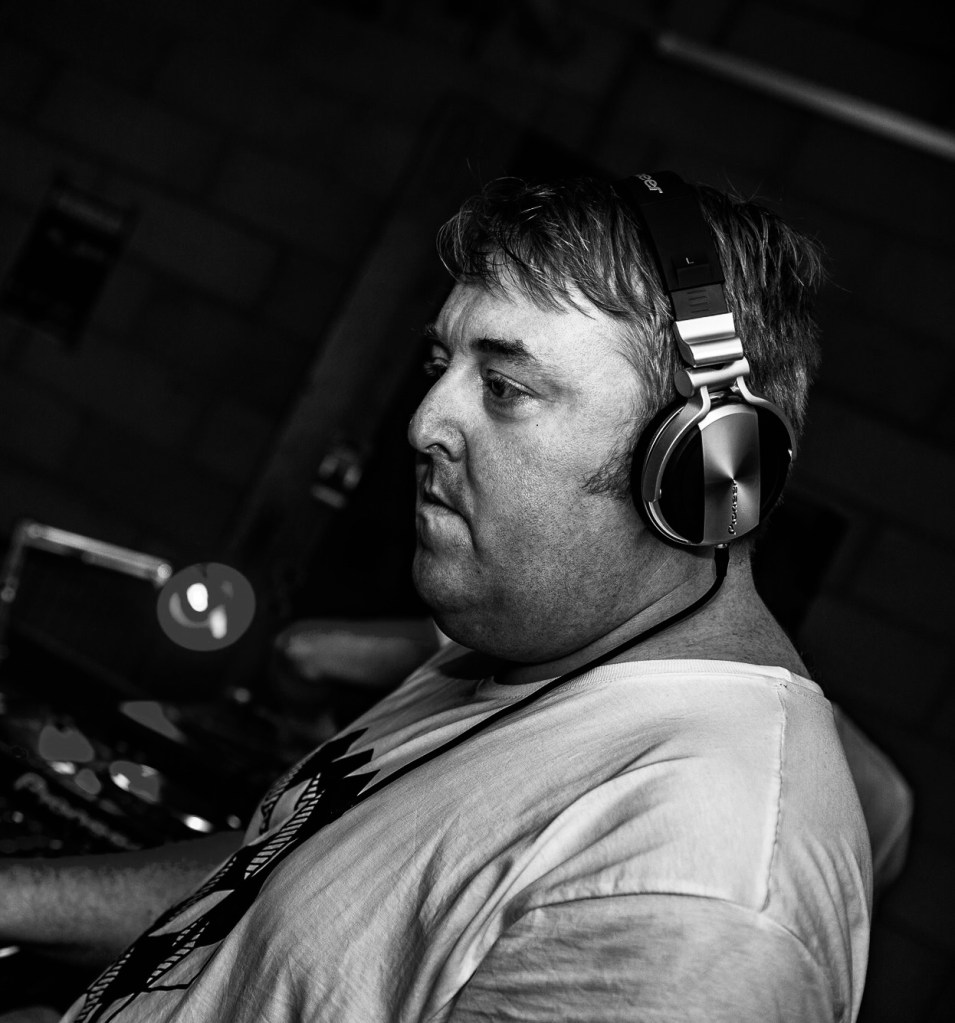
Torture the Artist: Your musical journey has also involved collaborations, including Kerouac & SMILE and KRS Two. What have you learned about yourself as a producer through working closely with other people, and how different is that process from being alone in the studio as Kerouac?
Kerouac: There is no difference in terms of how the music is made. I do feel that in the past I was making tracks to try and fit certain labels or emulate certain producers, which is the wrong way to approach music. I now create without any preconceived ideas or expectations. Not all music needs to be released.
You don’t have any critical distance when you’ve heard the track hundreds of times during its creation.
Torture the Artist: After more than twenty years of making music, do you feel that Kerouac today is fundamentally the same artist who started out all those years ago, or has your relationship with music completely changed?
Kerouac: It’s taken a long time to trust my process when making tracks and to believe they are good enough. I was very critical and didn’t think my tracks were good in comparison to others. As a producer, you can’t hear your own stuff as you do any other music. You hear the production processes, the imperfections. You don’t have any critical distance when you’ve heard the track hundreds of times during its creation. I still doubt sometimes, but making the track is still the fun part for me. After all these years, the drive to create is still within me.
When I got the message from D’Julz to demo tracks for Bass Culture, I initially panicked and suffered three months of writer’s block.
Torture the Artist: Your recent output suggests you’re currently going through an incredibly productive period. Is this a genuine creative surge, or are we hearing the results of ideas and tracks that have been quietly accumulating for some time?
Kerouac: When I got the message from D’Julz to demo tracks for Bass Culture, I initially panicked and suffered three months of writer’s block. The thought of making tracks for one of my favorite labels and DJs was a lot of pressure. I got over it by assuming it would never happen and gave up on the idea altogether! Getting past this mental factor was key to settling back into a flow. I made at least one track a week; on a good day, I was making a track a day, maybe two. I felt I couldn’t take my foot off the gas until I’d got the EP over the line. It took the best part of two years to finalize the EP, so I have quite a vault of unreleased tracks because of this.
Torture the Artist: Your music has recently found homes on Murmurations, Dank Records, D’Julz’s Bass Culture, and San Francisco’s Deep Steppe, with more material coming via Burnski’s Constant Black. These labels each have their own distinct identity—what do you look for in a label before trusting them with your music?
Kerouac: I have no idea how to match my music to a label, so I always leave it up to the label to choose. It’s a mutual thing too. I also see it as the label trusting in my music and artistic vision.
Torture the Artist: Despite moving between different labels and corners of the underground, there always seems to be a recognizable Kerouac fingerprint running through your productions. How would you describe the sound you’re currently chasing?
Kerouac: Thank you! It’s nice of you to say. I think I have a certain taste in drum sounds and in the way the bass needs to groove. Other than that, I hope the tracks make sense on the dance floor and have some otherworldly or trippy elements. I try not to overthink it: make a track, move on to the next.
Torture the Artist: Your release on Murmurations explores a particularly deep and stripped-back side of your sound, while your work with Dank Records adds another chapter to your recent output. Where do these records sit for you personally within this current phase of Kerouac?
Kerouac: I’ve no idea. I try not to think about how my stuff is perceived. As long as people like the tracks, that’s enough for me. I try not to make the same track twice. Maybe that’s why there’s so much variation within my releases?
Torture the Artist: More recently, “Spiritual Blues” saw you make your debut on D’Julz’s Bass Culture—a label with a long and respected history in House music. What did it mean to see your music land there, and how did the relationship with D’Julz come about?
Kerouac: It’s been amazing. To have a legend and inspiration such as D’Julz play my tracks was mind-blowing. It took a while for me to build up the courage to message him and send some promo tracks. I was in disbelief when he played a few on Home Diggin’. It’s still my favorite mix series. To release on a label that was on my list of dream labels has been mind-blowing and truly an honor!
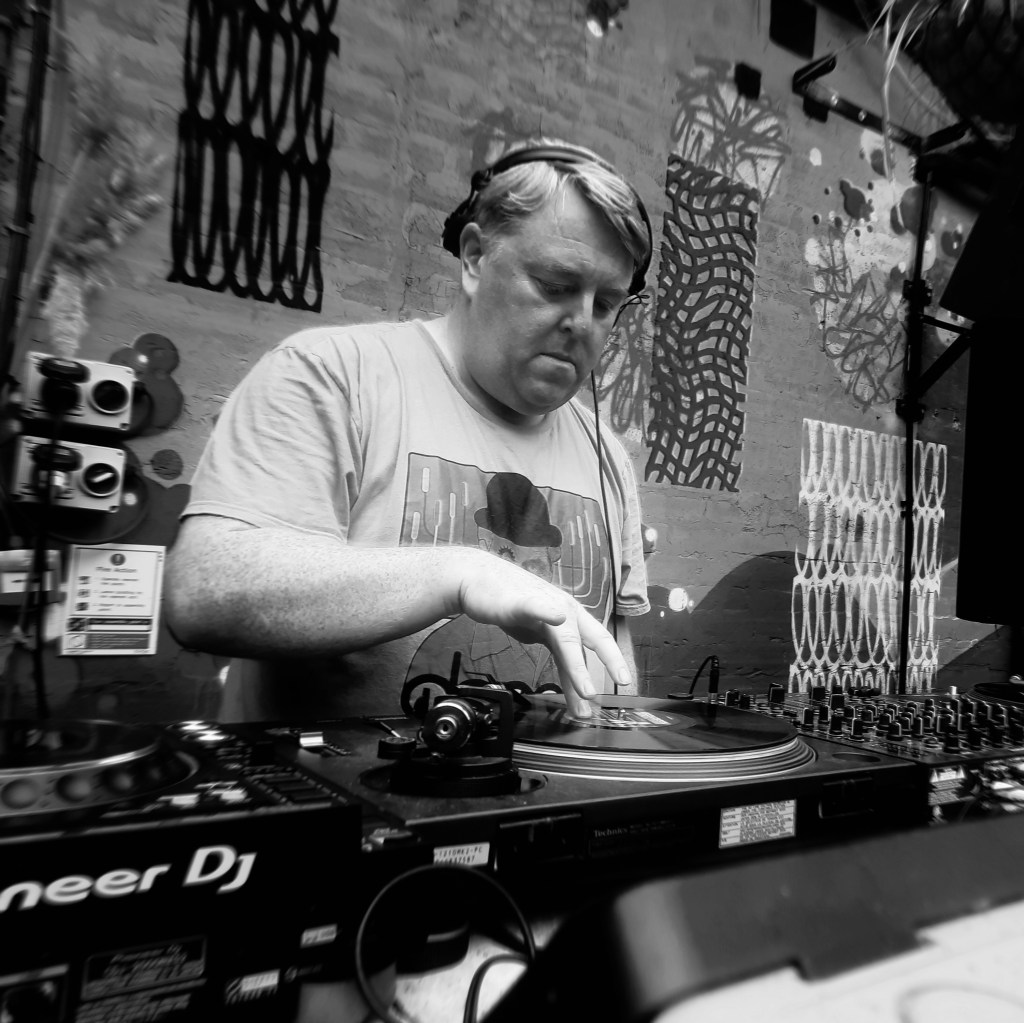
Torture the Artist: There’s something evocative about the title “Spiritual Blues”. Across the EP, you balance functionality and groove with deeper textures and plenty of space. What’s behind the title, and was there a particular feeling connecting those tracks when you made them?
Kerouac: The title track is my personal favorite of the EP. Its name came from the vocal sample. It was a track that felt like it wrote itself. I was in a flow state, and it was completed within a few hours. I think I’m known for my love of the classic UK Tech House sound, but this, to me, felt different. It was deep and atmospheric. There were House and Techno influences, but it wasn’t necessarily Tech House. The other tracks were all made within a few weeks of each other.
Torture the Artist: You’ve also contributed “Freki Stomp” to Deep Steppe’s “Between Tides” VA, connecting your music with a younger San Francisco imprint. How did that relationship come about, and what appeals to you about contributing a single track to a VA compared to presenting a complete EP of your own?
Kerouac: I’ve followed the label’s progress since they launched, and I reached out to send them music. I feel the tracks I’m making recently are very much aligned with the US scene of the ’90s and 2000s. I’m finding huge influence from producers of that era like Scott Pace, Thomas Sahs and Josh Quest.
I find making tracks with a label in mind never works out.
Torture the Artist: Next up is your appearance alongside Mees Mattern on Burnski’s Constant Black, where you contribute three tracks. Constant Black has built a very particular identity around stripped-back Minimal and Tech House. Did you produce these tracks with the label in mind, or did Burnski find something in existing productions that felt naturally at home there?
Kerouac: The three tracks were made during the demo stage for Bass Culture. Making bangers is hard for me at the moment, as I love to add deeper elements and textures. So thankfully, I already had those tracks in reserve. I find making tracks with a label in mind never works out.
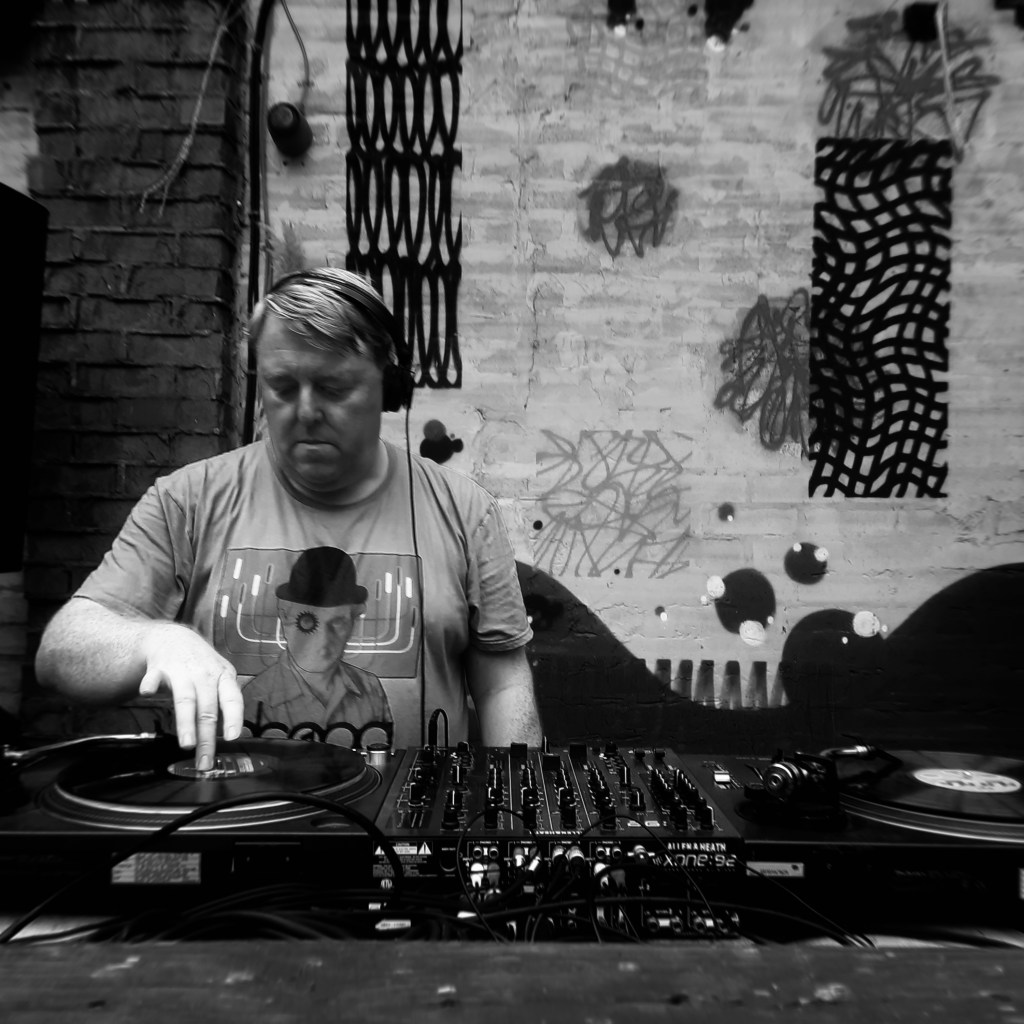
Torture the Artist: From D’Julz to Burnski, your recent music has found its way to two artists and label heads with decades of experience in underground House music. Does recognition from people whose own work has helped shape the culture still mean something to you after all these years of producing?
Kerouac: It means everything! To have respected figures in the scene who I’ve been listening to for years see something in my tracks—enough to then put them onto wax—is something I’ll be forever grateful for.
Torture the Artist: Your tracks are deeply functional without ever feeling like disposable DJ tools. They often achieve a lot with relatively little. How important are restraint and knowing when to remove something from a track to the way you produce?
Kerouac: Thanks again! I consider myself quite a lazy producer. I try to get from A to B in the quickest way possible, before thoughts kick in and I start hating the track or getting bored. I try to keep it all as basic as possible. Less is more.
Torture the Artist: When you sit down in the studio, what usually starts a Kerouac track—a drum pattern, bassline, sample, piece of hardware, or simply a feeling? And after so many years of producing, how much of the process is still shaped by accidents and unexpected moments?
Kerouac: At the moment, I’m taking samples from my vinyl collection and using those sounds to start a track. It’s a limitation, which I find a good thing after all these years. Making tracks is sometimes like problem-solving: how do you make a loop into a full track? I usually start with drums, then a bassline, or vice versa. From there, I try to get any chords to fit around the idea.
Quality records will always be rediscovered. That’s what makes digging so exciting.
Torture the Artist: You’ve watched sounds disappear, return, and suddenly become fashionable again. How do you feel about the current fascination with late-’90s and early-2000s House and Tech House? Does it feel strange hearing a younger generation rediscover sounds and aesthetics you experienced the first time around?
Kerouac: For me, this sound has always been the sound of underground dance floors. It’s never really gone away. It’s timeless and will always sound current. Quality records will always be rediscovered. That’s what makes digging so exciting.
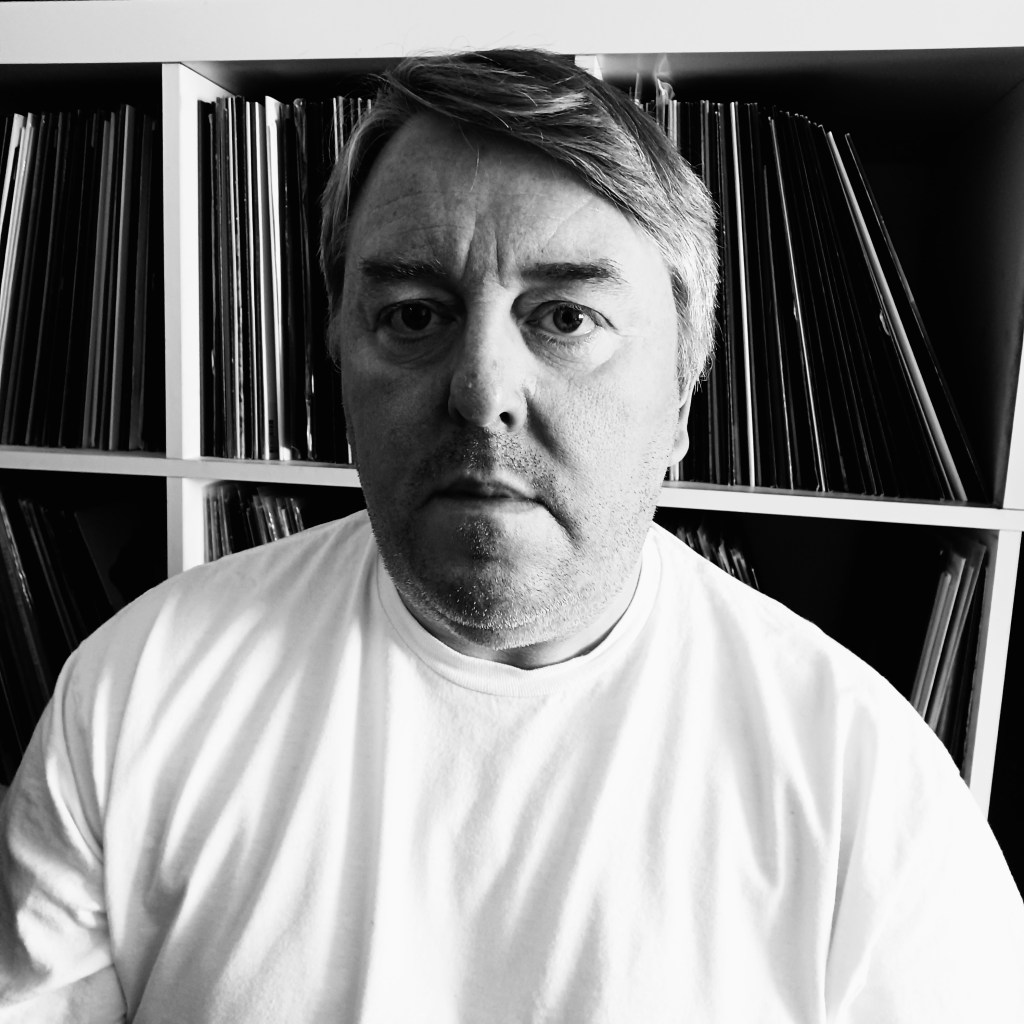
Torture the Artist: For your art, you’re doing something you’ve deliberately decided against in the past: recording a mix consisting entirely of your own productions. Why did you previously resist the idea—and what changed to make now feel like the right moment?
Kerouac: In the past, I’ve been too self-critical. I thought, who could possibly want to hear a full mix of my tracks? It’s still not been easy, as there’s less pressure doing a mix of other people’s music. I still tend not to play any of my own tracks out when I DJ. I wanted to push myself out of my comfort zone, and now feels like a good time to share tracks that are a snapshot of my musical output.
Torture the Artist: With more than two decades of music to potentially draw from, how do you begin constructing an all-Kerouac mix? Will the art reach deep into the archives and connect different eras of your music, or is it more a reflection of where you are as a producer today? And can we expect a few unreleased surprises along the way?
Kerouac: The mix is 90% unsigned music, and very new, with some tracks made the day before recording, as I wanted to share tracks that no one has heard yet. The tracks are very much rooted in my current obsession with US Deep House and Tech House from the ’90s and 2000s. Hopefully, there’s enough light and shade in the mood to carry the mix.
Torture the Artist: There must be something quite revealing—and perhaps even vulnerable—about spending an entire mix inside your own musical world. Did placing your productions alongside one another make you hear your catalogue differently or discover connections between tracks made years apart that you hadn’t noticed before?
Kerouac: It did make me more brutal about which tracks made the cut.
Torture the Artist: Outside of music, what occupies your world? What does a day with absolutely no studio, gigs, digging, or records look like for Mike?
Kerouac: It’s very rare for me not to do any of that, as I can listen to music 24/7. But there are odd days when I’m too tired from my day job to touch a record or do any studio work. I’m never too far away from it, though. I’m constantly thinking about the next project.
Torture the Artist: Finally, you’re in an incredibly active period right now, with plenty of music released and more already on the way. After more than two decades of producing, what still feels unfinished? What’s the sound, feeling, or moment that Kerouac is still chasing?
Kerouac: I just want to release tracks for as long as I can. I’m not the type of producer who wants to make an album or anything like that. I think I’ve got this far without making any predictions or grand plans. I’ll just go with the flow.
Words by Holger Breuer

