
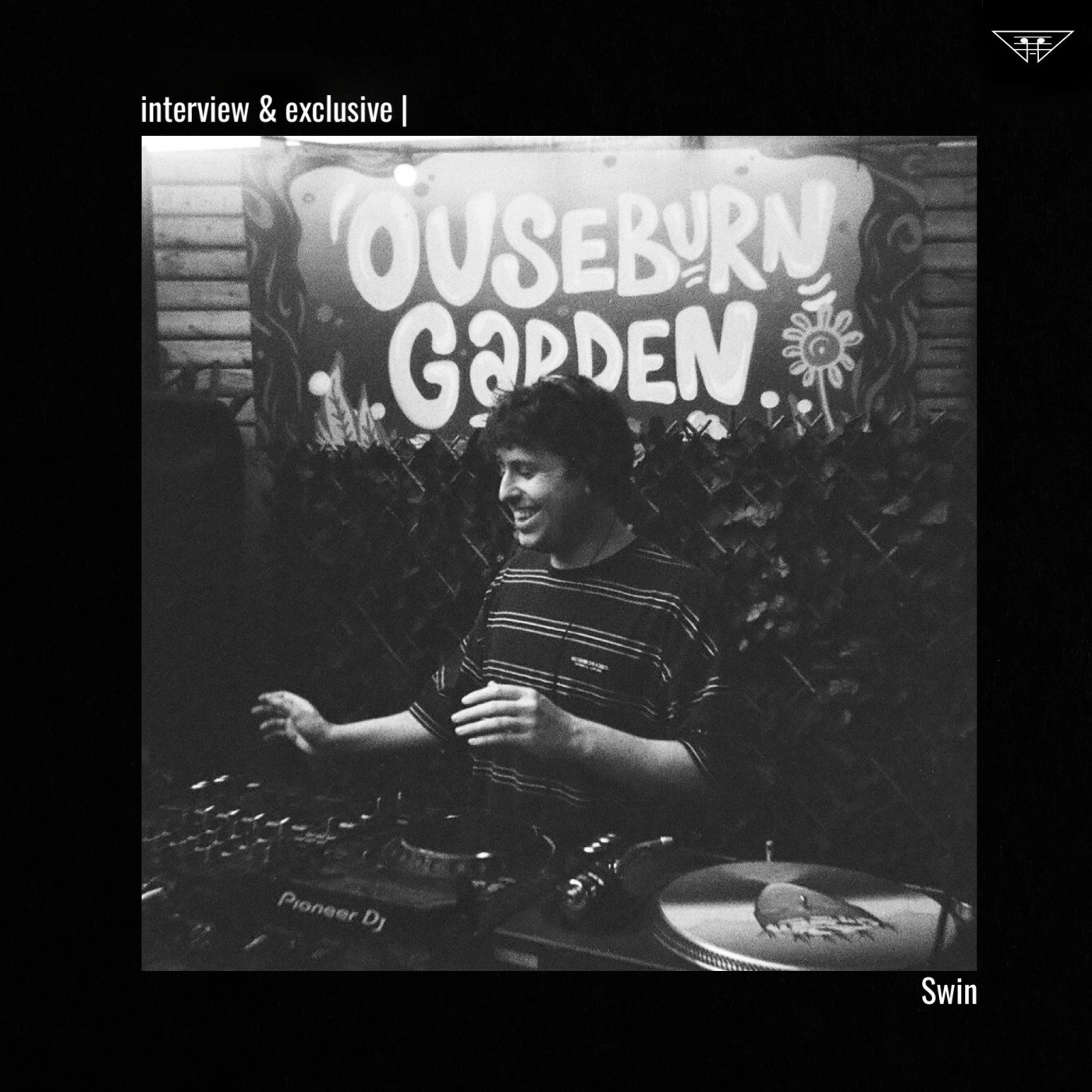
Between skate sessions, cinema soundtracks, late-night studio hours, and the rolling grooves of Northern club culture, Matthew Swinbourne has quietly built a creative universe entirely his own. Raised in Hartlepool on England’s North East coast, the producer known as Swin approaches House music with the patience of a craftsman, favouring warmth, emotion, and understated movement over fleeting trends or instant gratification. His records rarely shout for attention; instead, they unfold gradually, revealing deep chords, dubby textures, and grooves designed to linger long after the lights come up.
Beyond the dancefloor, Swin’s work extends into composition and sound design through Canny Sound, where storytelling, atmosphere, and technical precision take centre stage. Whether scoring moving images or constructing club tracks, a common thread runs through his work: an appreciation for space, restraint, and the emotional power of simple ideas executed well. That philosophy ultimately found a natural home in Canny Records, his newly founded imprint and the next step in a musical journey spanning more than fifteen years.
With Canny Records 001, Swin presents four deep and dubby House cuts shaped during a period of personal transition, written around his move to Leeds and the beginning of a new chapter in life. The release feels both intimate and forward-looking—less a grand statement and more an honest reflection of where he stands today. We caught up with Matthew to discuss the North East, sound design, skating, digging, cinema, and why sometimes the most memorable moments on a dancefloor arrive with nothing more than a perfectly placed chord.
Torture the Artist: Hey Matthew, tell us something about your day. Where are you answering us from right now—studio, office, record shop, or somewhere completely unexpected?
Swin: Hey! I’m just at home. I’ve been out for a skate this morning while the weather is a bit cooler. I just got back, made a coffee, and sat down to answer some questions. <smiles>
Torture the Artist: For people discovering your music through Canny Records, who is Matthew Swinbourne beyond the alias Swin?
Swin: I grew up in the North East of England in a town called Hartlepool, and I’ve been making music in some form for around 15 years. I started learning drums when I was about ten years old and went on to play in a band called Plaza. I later got into the production side of things and started messing around with DJing around the same time.
Torture the Artist: You work not only as a producer and DJ but also in music and sound design through Canny Sound. How do those two worlds influence one another?
Swin: My work through Canny Sound involves a lot of composing to picture, which I find quite a refreshing way of making music. I often don’t restrict myself to a BPM and instead rely on what is happening on screen to inform the music. The sound design side of things has definitely improved my production skills, but I find that I rarely incorporate that kind of production into my Swin music. I prefer to keep my own productions fairly simple.
I can probably always push things a little bit further, but at some point you need to recognise that they are finished.
Torture the Artist: Sound design often means serving a wider vision rather than your own artistic ego. Has that discipline changed the way you approach dance music production?
Swin: It’s different working for someone else as opposed to working for yourself. You have to be open to feedback and criticism, which is not something you really deal with much when working on your own music. I find that it usually pushes the work to a place that I probably wouldn’t have taken it myself, more often for the better. I try to remember this when working on my own productions. I can probably always push things a little bit further, but at some point you need to recognise that they are finished.
Torture the Artist: You’ve just launched Canny Records with your first release, Canny Records 001. At what point did you realise it was finally time to build a home for your own music?
Swin: I’d been sitting on these tracks for a while and had a couple of responses from labels, but most of them either have a backlog of releases waiting to come out or they have a very specific sound in mind to begin with. I was pretty set on these first four tracks being on the same release and didn’t want to wait around much longer, so I felt like it was a good time to take the leap myself.
Torture the Artist: The word canny carries different meanings depending on where you’re from in the UK. What does it mean to you personally, and why did it feel like the perfect name for both your label and your wider creative work?
Swin: Like I said before, I’m from the North East, so to me, canny and sound both kind of have the same meaning. If someone is sound or canny, then they’re just a good person. I wanted my sound design brand to feel approachable and reasonable, and I also liked the double meaning as a brand name. Canny Records was simply an extension of that, and it felt like the right choice for my label.
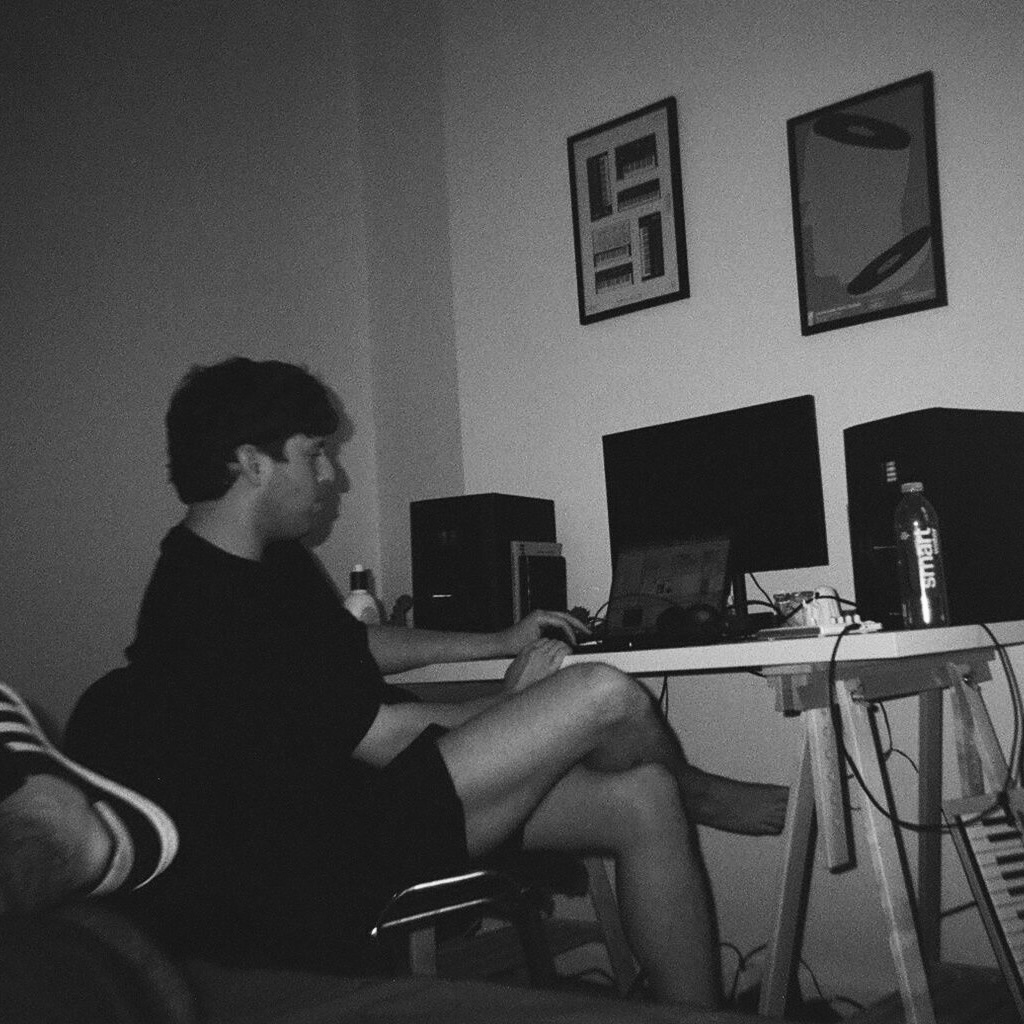
Torture the Artist: Was there a specific gap in the current scene that made you think, “This music needs its own platform”?
Swin: I don’t think so, to be honest. There’s already so much good new music coming out of the UK at the moment with that ’90s and early 2000s kind of sound, which has influenced my music very heavily. It’s not that there was a gap—just that I wanted to contribute my own sound to the mix.
Torture the Artist: The debut release consists of four deep and dubby House cuts. What ties these tracks together aesthetically, and why did they feel right as the opening statement for the label?
Swin: The four tracks were all produced around the time that I was moving to Leeds. I’d previously been living in Newcastle and had spent a year back in my hometown living with family. I guess all of the tracks represent jumping headfirst into a new chapter.
Torture the Artist: Every producer secretly has a favourite. Which of the four tracks on Canny Records 001 feels closest to you personally, and why?
Swin: I think The Deep End is the one that I was most excited about from a production standpoint, but You & Me probably feels closest to me personally. I recorded the vocals for that one myself, and it just sums up the last year of my life pretty well, I think.
Torture the Artist: Your productions always seem to prioritise atmosphere and groove over instant gratification. What keeps drawing you towards deeper, more spacious sounds?
Swin: I’m very into music with nice chords and pads. It’s the moment I enjoy most on a dancefloor—when a beautiful chord comes in. It adds an extra bit of emotion to the music, and I want to capture that feeling as best I can in my own productions.
Torture the Artist: When you’re producing, what usually comes first: drums, basslines, textures, or simply a feeling you want to capture?
Swin: Usually, it’s always the drums. I spend some time making sure the groove feels right before moving onto pads, chords, and everything else. I’ll usually work on a bassline last, once I have some melodic elements to bounce off.
I feel like a lot of the best House music just has a couple of really solid elements that work well together, and it doesn’t feel too busy or overcooked.
Torture the Artist: How much of your sound comes from careful technical decisions, and how much is pure instinct?
Swin: I try not to get too technical with my own music. I feel like a lot of the best House music just has a couple of really solid elements that work well together, and it doesn’t feel too busy or overcooked. I sometimes like to spend a bit of time on a specific moment or fill, but as long as the elements I have are working together well, usually the rest of the track comes together pretty smoothly.
Torture the Artist: Looking back at Stay At Home on Magic Carpet, what did that release represent in your artistic journey? Do you still recognise yourself in those tracks today?
Swin: That release was a culmination of music that I’d been working on for about four years. Lots of different styles and influences were at play, and I felt like I was just exploring my sound and my capabilities. I still recognise myself in that music, and it means a lot to me, but my latest release feels much more aligned with the kind of music I want to be recognised for.
Torture the Artist: Your contribution “That Will Be Nice” on Legram’s celebrated Games of Tunes series found its way into many record bags. Did that release change anything for you, either personally or creatively?
Swin: Not really, to be honest. That was a track that came together quite quickly, and I sent it to Legram on a whim, not really expecting much to come from it. I made that around a similar time to my track Stay At Home, so the sound palette is very similar. I was obsessed with that French Electro House sound at the time.
Torture the Artist: Do you approach music differently when producing for someone else’s label compared to creating material for your own imprint?
Swin: I try not to think about producing for a specific label, although I do get inspired by a label’s sound sometimes. I think my process stays the same, though, no matter what output I’m creating for.
Torture the Artist: Working professionally in sound, are you someone who endlessly tweaks details, or do you know when to leave a track alone?
Swin: It usually takes me quite a while to finish a track. I get them to around 90% finished and then constantly revisit them with fresh ears, tweaking things that probably don’t need tweaking. I’d like to get a lot quicker at this, but sometimes it’s hard to commit.

Torture the Artist: What’s one production lesson that took you years to learn but now feels completely obvious?
Swin: Sample selection is the most important thing to try and get right early on. If you start with some good drum samples, you shouldn’t really need to do a great deal of mixing later down the line. I still don’t get this right sometimes, but after a certain point, you just need to commit. Trying to replace a kick or snare on an already finished track just doesn’t work in my experience.
Torture the Artist: Are there artists, records, or sound designers outside club culture that continue to inspire your work?
Swin: I’m always coming away from the cinema feeling inspired. I love listening to soundtracks. I think this informs my Canny Sound work more than my Swin music, but it’s always a great source of inspiration for me.
When I’m digging, I’m usually looking for something exciting that I’ve never heard before.
Torture the Artist: What role does record-digging play in your creative process? Are you searching for grooves, emotions, production ideas, or simply surprises?
Swin: I like to make music that would fit into a set alongside the music I’ve been digging recently. So I think it does influence my productions in some way, but the two don’t necessarily go hand in hand. I’d like to experiment with sampling records more, but it’s just something I’ve never really played around with. When I’m digging, I’m usually looking for something exciting that I’ve never heard before.
Torture the Artist: What’s the last record you found that genuinely reminded you why you still love digging?
Swin: I picked up a copy of 100Hz – Whisper on Oblong Records recently. The fact that I was three years old when that track came out is crazy, and I think it’s really exciting being able to discover music that is still playable today but that you weren’t even old enough to understand when it was first released.
Torture the Artist: Running a label means balancing creativity with logistics. What part of launching Canny Records surprised you the most?
Swin: Honestly, the process has been really smooth. Subwax have been super helpful with the logistics side of things, and I worked with a close friend of mine on the artwork, so everything just seemed to come together without any issues at all.
Torture the Artist: Looking ahead, what do you want people to associate with Canny Records in five years’ time?
Swin: I don’t want to rush the releases. I want to be sure that the music I put out feels right and captures the vibe of the label that I’m going for. So I guess I hope that people hear the music and are able to say, “That sounds like Canny Records.”
Torture the Artist: Will the label primarily remain a platform for your own music, or are there already artists you’d love to welcome into the Canny family?
Swin: At the moment, it is just a place for my music. I think releasing other people’s music comes with a lot more responsibility, but I would be open to it in the future if I feel like I want to take the label to the next level. There are so many good producers out there that would definitely nail the vibe.
Torture the Artist: Outside of music and sound design, what keeps you grounded and inspired?
Swin: I just finished reading Tomorrow, Tomorrow, and Tomorrow. I love sitting in the garden with a coffee and a book. I’m learning how to skateboard. I enjoy a solo cinema trip every now and then. I play lots of PlayStation, and I love spending time with my partner, family, and friends.
Torture the Artist: Finally, when somebody hears Canny Records 001 at sunrise on a packed dancefloor, what do you hope stays with them long after the music stops?
Swin: “You… (echoes)… & Me.”
Words by Holger Breuer

