
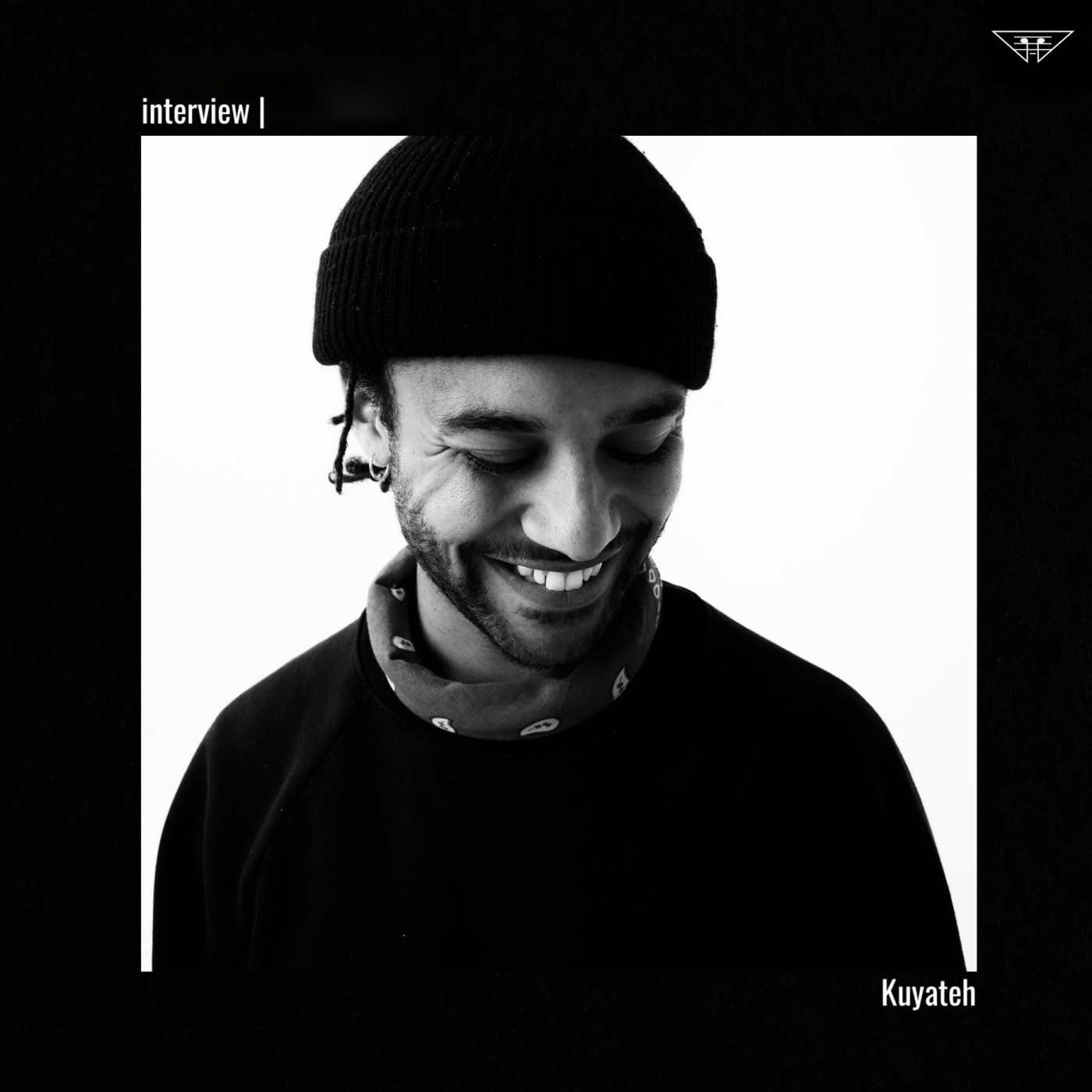
Between long studio nights, everyday responsibilities, and an ever-evolving relationship with groove, Frankfurt-based Kuyateh has quietly been shaping a sound rooted as much in emotion as in dancefloor functionality. Blending House with elements of Funk, Jazz, Broken Beat, and deeply personal expression, his productions carry a warmth and honesty that feel increasingly rare within today’s underground landscape.
With recent releases on labels such as JISUL, Pressure Traxx, Treelike Records, and Brouqade, Kuyateh continues to refine a sound built on groove, soul, and intuition rather than formula. Whether through self-recorded vocals, warm basslines, or deeply personal songwriting, his music always feels connected to something human beneath the club functionality.
Following the release of his latest EP “Finding Roots” on Tiago Walter’s JISUL imprint, Torture the Artist spoke with Kuyateh about friendship, Frankfurt, record-digging, creative identity, and why finding your own voice matters more than chasing novelty.
There will always be times when you can’t make music, even though it’s essential and also therapeutic for me.
Torture the Artist: Hey, tell us something about your day. Where are you right now, and what’s been on your mind today?
Kuyateh: I’m currently moving in with my girlfriend. I don’t have much time to make music right now, but I’ve been working and planning things ahead so I can release more stuff, etc. That’s also part of life. There will always be times when you can’t make music, even though it’s essential and also therapeutic for me. I’m not at the point where I can live from producing and touring yet, so I also have a part-time job. Combining everything can be tough sometimes, but I’ll work my ass off and give my best so that one day I can live entirely from music.
Torture the Artist: One of your most recent EPs, “Finding Roots”, just dropped on Tiago Walter’s JISUL label. How does it feel to finally see this record out in the world?
Kuyateh: It feels really good. I always wanted to show how I interpret House music. It’s not the kind of sound people usually hear from me, so I wanted to show the world what I’m also capable of.
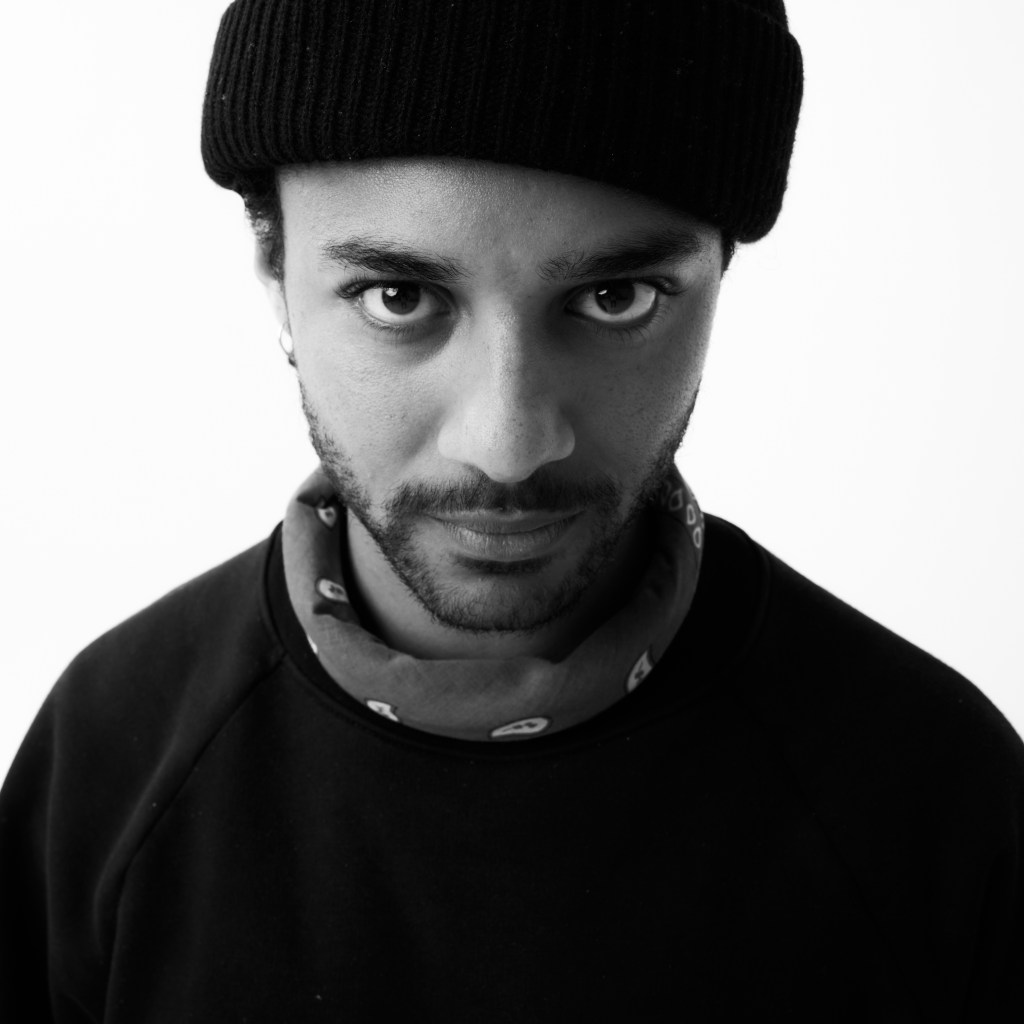
Torture the Artist: You and Tiago both live in Bockenheim. Do you remember how you first crossed paths? Was it a random meeting, a party, a record shop encounter — or something completely unexpected?
Kuyateh: I think I saw him for the first time at a party somewhere in Frankfurt. But I really got to know him through his good friend Phil Evans and the Gosu record shop where I worked back then. After a couple of weeks, Phil and I walked home together for the first time and realized that we lived just three houses apart. Back then, he lived together with Tiago, so I visited them quite often and we became close friends.
Torture the Artist: How important is that neighborhood energy for you? Does living in the same area naturally create creative connections?
Kuyateh: Yes, but only if you tend to have similar views on life and everything around it. You can speak the same language and still not understand each other. But in this case, they definitely have an impact on me — especially when it comes to House music.
Torture the Artist: Coming back to your latest EP, the title “Finding Roots” suggests looking backwards as much as forwards. What were you trying to reconnect with while making this EP?
Kuyateh: If you listen to the track “Finding Roots” on B2, it’s a mixture of Broken Beat, Funk/Jazz, and House music. Because I’m originally a bass player and love bands like Incognito, I could really hear how that band influenced me while making this track — or House music in general. So for me, it felt like finding my roots again.
Torture the Artist: “Sexy” opens the record with a lot of confidence and groove. Did you know early on that it would be the A1?
Kuyateh: Yes. That doesn’t happen often, but when I made the track, I instantly knew that I had created something worth releasing because it’s simple, yet full of my soul. You can play it during a warm-up, peak time, a closing, or an afterparty.
Torture the Artist: Your sound blends classic House foundations with playful vocal chops and jazzy, disco-leaning chords. Where does that mix come from?
Kuyateh: A lot of hard work. If you produce every day for more than ten years, you will find things that suit you production-wise. Stick to that. Little by little, you’ll develop certain ways of producing sounds in your own style. Most of the vocals are by myself. I started using a microphone because I didn’t know how to synthesize sounds or find the right vocal samples. So I grabbed the mic and did my thing. I know how to play bass, so I used it for the basslines. My background is Funk/Jazz — that’s why the chords and chopped sounds come naturally.
What matters is how you present the tracks and put them into context.
Torture the Artist: What does record-digging mean to you beyond just “finding tracks”?
Kuyateh: For me, it’s more than just finding good tracks to play. It has something to do with energy. I think if you’re really into something and feel the sounds and tracks with all your heart, there’s a bond between you and the producer. There’s something that connects you. In my opinion, that’s something beautiful. Even if I don’t know the person, I still feel connected. I’m not the kind of guy whose goal is to find ultra-rare vinyl. That happens naturally. If the track is good and keeps you moving, it’s good. In the end, what matters is how you present the tracks and put them into context.
Torture the Artist: Do you remember the last record that completely changed the way you thought about DJing or producing?
Kuyateh: Arno’s latest album “STRICTLY VIBES UNIT.” He managed to make an album that you can listen to both at home and in the club. Every track is important — there are no filler tracks. Also, the combination of HipHop, Minimal, and House music is mind-blowing. Chapeau!
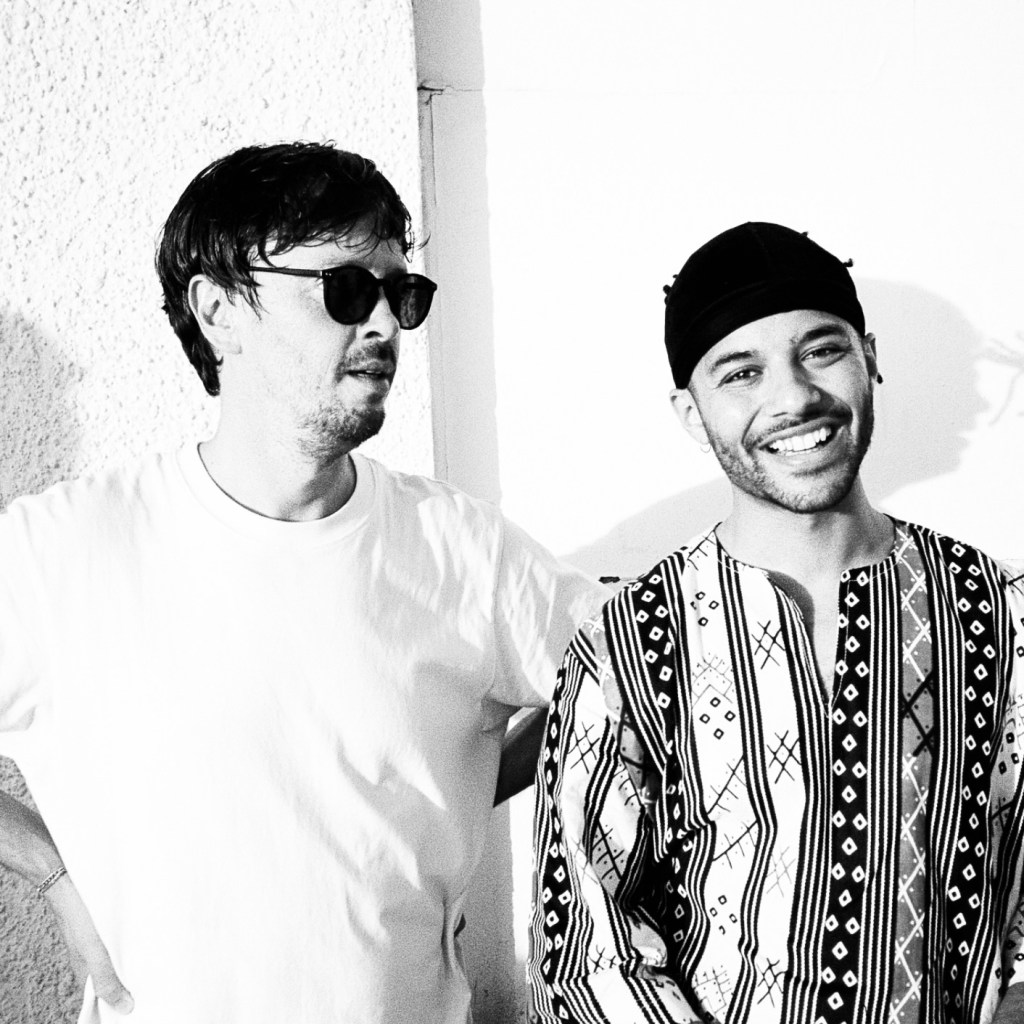
Torture the Artist: Frankfurt has such a rich club history, from early Techno and House to today’s more hybrid scenes. How do you see the city’s club culture right now?
Kuyateh: I’m trying to focus on the present. I didn’t witness the past, so I can’t really say much about it. Every generation has its talents and great producers. It’s all a cycle. Right now, the trend is leaning more towards Techno and faster music. I can imagine that it will slow down again someday — and then speed up again.
Torture the Artist: Are there particular dancefloors in Frankfurt that helped shape your musical identity?
Kuyateh: Raves & Robert Johnson.

Torture the Artist: How do you balance respecting that heritage while still trying to build something new?
Kuyateh: You don’t need to build something new if you are the new generation. Just go with the flow, stay present, and do what feels right to you. That will naturally create something new. Let the past be the past and the future be the future. There’s no need to force anything — it will come naturally. But what is and always will be helpful is respecting and listening to advice from older DJs and producers you admire.
Torture the Artist: You recently released “Gametime” with Arno on Treelike Records and also contributed a remix on Brouqade. Do you feel like things are accelerating for you right now?
Kuyateh: I’m definitely more confident in expressing myself. A lot of people say that I’ve found my own sound, and luckily many people like it. Time will tell, but personally I’ve come a long way and I’m proud of myself. That’s what matters. Sounds like a good foundation to me. Let’s roll.
In the end, I release music for others, not just for myself.
Torture the Artist: Has your relationship with making music changed as more people start paying attention?
Kuyateh: Of course — I’d be lying if I said no. Recognition and appreciation of my work don’t define whether it’s “good” or “bad,” but of course it feels good. In the end, I release music for others, not just for myself. So naturally, it’s important to me that people like it. It doesn’t define me, but if it touches a few people, then it has done its job.
Try not to think — just let your fingers and feelings do the work.
Torture the Artist: When you sit down in the studio, what usually comes first: drums, bass, melody, or a feeling?
Kuyateh: There is no “usual.” Try not to think — just let your fingers and feelings do the work. Of course, you can only do that if you’re skilled enough to translate what’s inside you into music. Luckily, I’m at that point, so I try not to overthink too much. Gain momentum by working on it every day — the rest will follow.
Torture the Artist: Do you have any rituals when you’re working — music, coffee, walking around Bockenheim, late-night sessions?
Kuyateh: Because I work a lot, I really like going to the sauna or getting a massage in my spare time. It keeps the body in good shape and helps you relax. Also, I really, really like cooking. It calms me down. I don’t need to think too much. It’s like making music, but without the need to perform or release anything.
Torture the Artist: Outside of music, what helps you stay grounded and inspired?
Kuyateh: Meditation and trying to stay present are the only things that really help. If you want to stay inspired, I’d suggest making a lot of music — even if you don’t feel like it. There’s always something to learn.

Torture the Artist: What’s coming up next for you — more releases, collaborations, label work, or something unexpected?
Kuyateh: I just released a very emotional EP on Pressure Traxx dedicated to my best friend Julien, who sadly passed away too early. I made all four tracks in a short time shortly after he died. That was also a way to process everything. I hope he’s in a good place now. Besides that, I’m going to start something of my own. Let’s leave it at that.
Torture the Artist: Finally: when someone hears “Finding Roots” for the first time, what do you hope they take with them onto the dancefloor?
Kuyateh: Finding their own roots — whatever that means.
Words by Holger Breuer
Cover picture by Lotte Thor

