
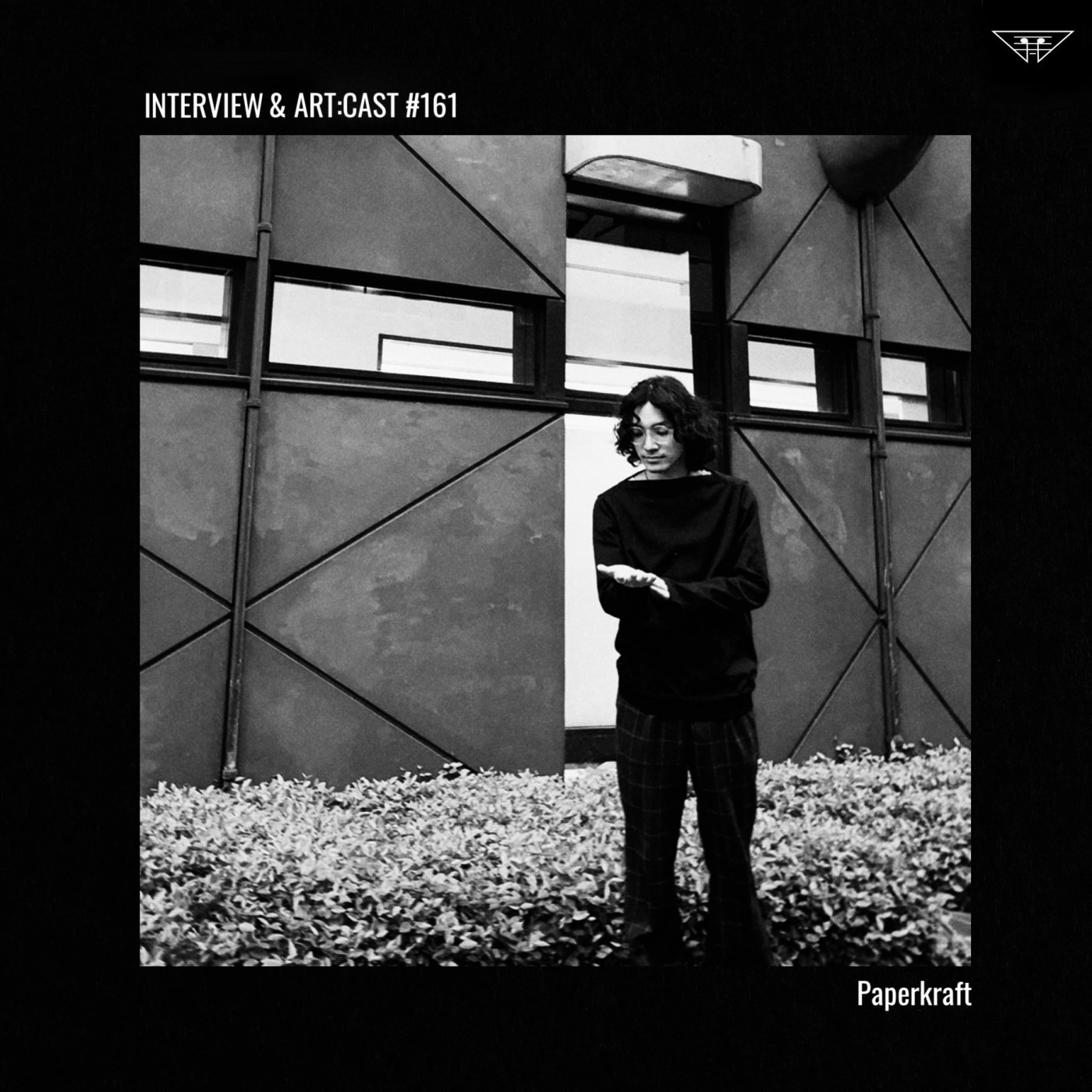
Amidst the symphonic tapestry of electronic artistry, we find ourselves at the precipice of a riveting encounter with the maestro of sonic innovation, Paperkraft. Fresh off the heels of his latest EP release, “Not C But K,” on the esteemed Homage label, Paperkraft invites us into his world, where melodies intertwine with memories, and beats pulsate with the rhythm of life.
As we embark on this journey of auditory exploration, we are greeted by the mellifluous tones of Paperkraft’s compositions, each note a testament to the artist’s unwavering dedication and unparalleled vision. But what lies beneath the surface of this musical odyssey? What inspires the maestro to craft such captivating symphonies? In a candid conversation with Torture the Artist, Paperkraft offers a glimpse into his creative process, from the first light of dawn to the quietude of midnight. With a routine as intricate as his melodies, Paperkraft begins his day with a ritualistic pilgrimage in search of inspiration, each step a prelude to the symphony that is about to unfold. But it is not merely the routine that defines Paperkraft’s artistic endeavors; it is the essence of his latest EP that truly sets hearts aflutter. With “Not C But K,” Paperkraft embarks on a journey of self-discovery and renewal, a commemorative EP that marks the dawn of a new era for the artist. With remixes from the likes of Australian darling Aldonna and Aiden Francis, the EP transcends boundaries, weaving a tapestry of sound that is as diverse as it is mesmerizing.
Yet, amidst the cacophony of beats and melodies, Paperkraft remains grounded in his roots, drawing inspiration from the rich tapestry of Japanese electronica. From the pulsating rhythms of Kensuke Fukushima to the hypnotic melodies of Fumiya Tanaka, Paperkraft pays homage to the pioneers of a burgeoning movement, a movement that seeks to redefine the landscape of electronic music in Japan and beyond. As we delve deeper into the labyrinth of Paperkraft’s musical journey, we cannot help but marvel at the audacity of vision and the brilliance of execution. From the neon-lit streets of Tokyo to the tranquil shores of Kansai, Paperkraft’s music transcends borders and boundaries, uniting souls in a symphony of sound. And as the curtain falls on this captivating discourse, we are left with a sense of awe and admiration for the maestro who continues to push the boundaries of electronic artistry. With each beat, each melody, Paperkraft reaffirms his rightful place as a luminary of the electronic music scene, a beacon of inspiration for generations to come.
Torture the Artist: Hello and welcome. You may tell us something about your day.
Paperkraft: Hello and thanks for having me! Talking about my composing day, when I wake up, I go out for a cup of coffee, take a short walk, and smoke a cigarette. During that time, I listen to the demo I made the day before, check out the promo that came in, and check out artists I’m interested in. Then I go home and start composing.
Torture the Artist: You have a new EP on the Homage label, titled “Not C But K EP”, which covers a mixture of sounds and you said on your Instagram page that this is “the EP I have been looking forward to the most since last year”. What is it about this particular EP that you are so excited about?
Paperkraft: I’ve been writing music for a while now, but for the past couple of years I’ve been struggling with my direction and not really knowing what I wanted to make. But in the last year or so, I’ve finally found my current direction, and this EP is the beginning of a new phase. It’s a commemorative EP for the new Paperkraft.
I’ll go anywhere as long as people love my music.
Torture the Artist: The EP comes with remixes from Australian-darling Aldonna and Aiden Francis. First of all, what do you like about their approaches to your tracks and secondly, what made you decide to have those two remixing your music?
Paperkraft: I had been checking out their music since we decided on our current direction and had played some of their tracks. So in a way, the EP was influenced by their music and I was confident that the remixes would be what I expected. Of course, I consulted with Ryan from Homage to make the decision, and I’m really grateful to both remixers for their willingness to do so.
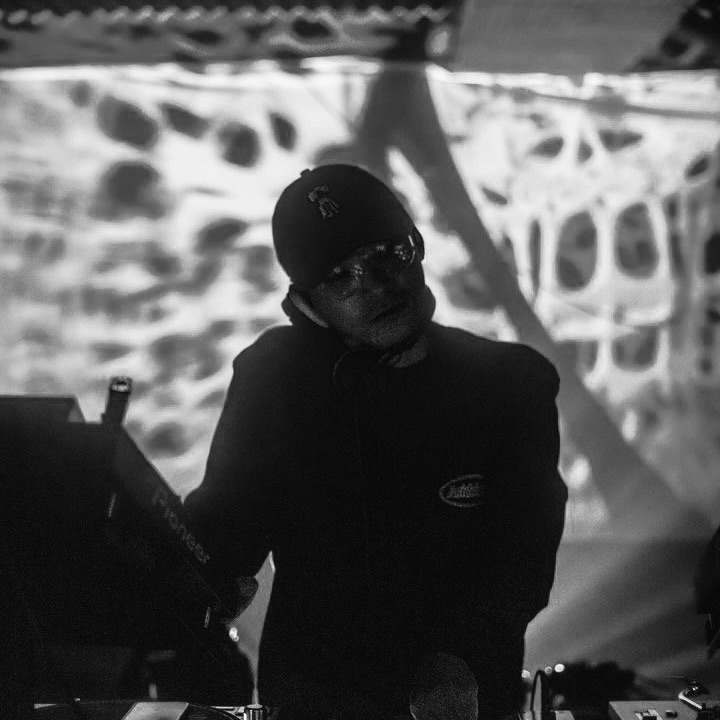
Torture the Artist: Along with deeper electronic artists such as Kensuke Fukushima, Fumiya Tanaka, Siochi Terada and others, you are definitely pushing the newer breed of Japanese artists/DJs at present; can you give us some background into how you got into this music scene in Japan when you were younger?
Paperkraft: I didn’t start out in a very deep scene. For me, electronic music started in the heyday of Ed Banger, Justice, Boys Noize, Soulwax. The name Paperkraft is actually taken from MSTRKRFT, a name I came up with for a DJ at a student party without much thought. It was a name I decided on without much thought for a DJ at a student party. It was 2009, and I’ve been DJing for 15 years this year. I have experienced many different genres of DJing and settled on my current style, but the feeling of being very happy when someone dances to my play has not changed over the past 15 years. I never thought I would be working under the name Paperkraft until today.
I don’t think underground music necessarily needs a lot of attention, but it would be nice to see a better balance.
Torture the Artist: Following on from question before, what is the world of electronic music currently like in Japan, in terms of both the clubs and emerging artists/DJs to look out for?
Paperkraft: I feel that in Japan there is quite a difference in the way trendy music and non-trendy music are supported. I don’t think underground music necessarily needs a lot of attention, but it would be nice to see a better balance. In fact, it is overwhelmingly people outside of Japan who support my music at the moment.
Torture the Artist: As someone who is heavily involved with the Japanese scene, how do you see the future of electronic/dance music in the country moving forward?
Paperkraft: I feel that the culture of Japanese dance music has been passed down well. Of course, it’s in sync with global trends, but I have the impression that the number of young artists and DJs is increasing in Japan.
Japan is a country that can absorb music culture from all over the world and develop its own unique culture, and this may be one of its strengths.
Torture the Artist: Japan is regularly seen as a futuristic place in its main cities; do you feel that this influences the sounds which come from artists there?
Paperkraft: I feel this is especially true in Tokyo. Japan is a country that can absorb music culture from all over the world and develop its own unique culture, and this may be one of its strengths.
Torture the Artist: The Japanese scene is seen or perceived as a rather audiophile culture as well as it has a quite clean and neat aesthetic when it comes to designs. What’s the club in your country, which represents this image the most?
Paperkraft: Circus (Osaka/Tokyo}, West Harlem (Kyoto), and Socore Factory (Osaka), all of which I play frequently, have their own unique characteristics, and I feel a great deal of dedication and love for their sound.
Torture the Artist: What do you feel are the biggest differences for DJs who come from outside Japan to play there, who are used to DJing in clubs around Europe or the USA, for example?
Paperkraft: Japan is a small country, and all-night clubs are not as popular as Europe or the USA, so even if you DJ at festivals and clubs with several thousand people, you may be forced to DJ at small clubs in Japan.
Torture the Artist: You are DJing regularly in Kansai, which is a place many of the readers here may be unfamiliar with. Can you give us a little feel of the place and also what the clubs there are like in comparison to more well-known clubs in Tokyo?
Paperkraft: Osaka may be the next most urban city after Tokyo, but foreign artists who gig in Tokyo and then come to Kansai often tell me that they prefer Kansai. In West Harlem, Kyoto, for example, there is a river in front of the club, so the DJ booth overlooks the river. In the morning we dance while watching the sunrise and the river. It’s nice to be in such an environment that coexists with nature.
Torture the Artist: There’s a vivid vinyl-culture in Japan. Where do you go dig your records and what are the record stores you recommend visiting when coming to Japan, and why?
Paperkraft: I haven’t bought much in the way of vinyls in the last few years, but I’m constantly updating my Discogs wantlist. And hope to make a vinyl-hunting trip soon. I would recommend Alffo Records in Osaka. They don’t have a huge selection of records, but you can enjoy drinks, lunch and dinner while digging through the vinyls. Sometimes they have parties and it’s a very intimate and cozy store.
Torture the Artist: Do you have any plans to tour outside of Japan in 2024 and if so, where can we find you?
Paperkraft: No. Please contact me anytime.
Torture the Artist: What’s the club or location you’d love to play at, and why?
Paperkraft: Everywhere. I’ll go anywhere as long as people love my music.
Torture the Artist: Talking of outside Japan, aside from your influences from within your own country, who/what are your influences from beyond your home nation?
Paperkraft: Progressive House/Trance, Eurodance, Italo House, and Techhouse from the 90’s to early 00’s have been a big influence. As for artists, there are too many to mention, but most of my influences are outside of Japan.
Torture the Artist: You’ve put together the latest art:cast for us; can you give us a little background on your preparation when putting together the mix and how you decide what makes the cut?
Paperkraft: This time, I chose tracks that were particularly influenced by the 90s and 00s, with a mix of modern and my own unreleased. And I was conscious of letting people enjoy various elements in the one-hour mix.
Torture the Artist: Where and when is it best listened to?
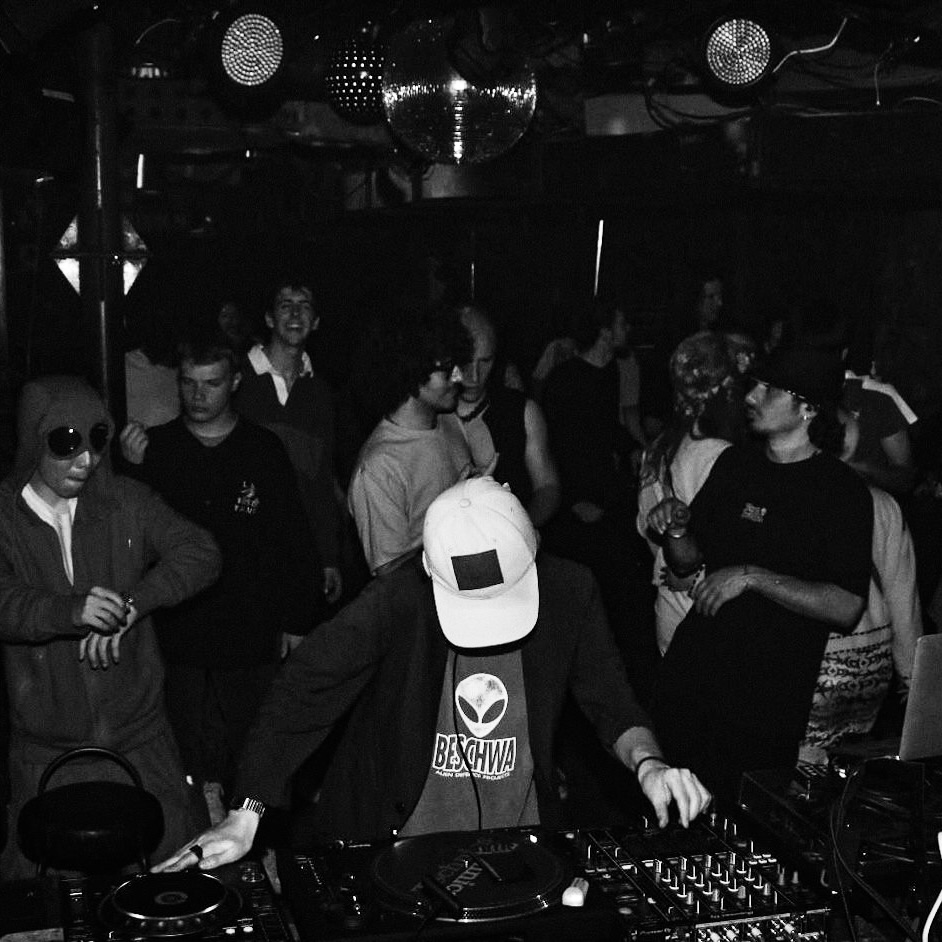
Paperkraft: That’s a difficult question! I usually listen to some mixes when I’m on the move, cooking, or doing housework, but I’d love for everyone to comment on what situations they listen to this mix in.
Torture the Artist: What’s a superpower you wish you had and what would you do with it?
Paperkraft: That’s definitely teleportation. I don’t have to worry about the bathroom while DJing, and I can always teleport to my bed or shower at home.
Words by Al Bradley
 Torture the Artist